We have thousands of human-written stories, discussions, interviews and reviews from today through the past 20+ years. Find them here:


A Beautiful Film About Horrifying Events: Lara St. John's Documentary 'Dear Lara'
On February 6, I had the pleasure of attending the premiere of the documentary film Dear Lara at the 2026 Santa Barbara International Film Festival. The film, by world-class violinist Lara St. John, explores sexual abuse and its repercussions in the classical music world.
As a violinist myself, I crossed paths with Lara many years ago, during our time as attendees of the ENCORE School for Strings in Hudson, Ohio in the mid-to-late 1980s. Last month's festival was actually the first time I had ever attended a film premiere, and the energy outside the theater on State Street was undeniable.
As I arrived that evening, I felt a bit conflicted. After all, it was exciting to be attending such a premiere, and I was pleased to see Lara in her element, looking fabulous, and appearing thrilled about this important event. However, I also was well aware of the difficult subject matter that would be covered in this documentary, and I wasn’t sure if I should be enjoying myself in this moment.
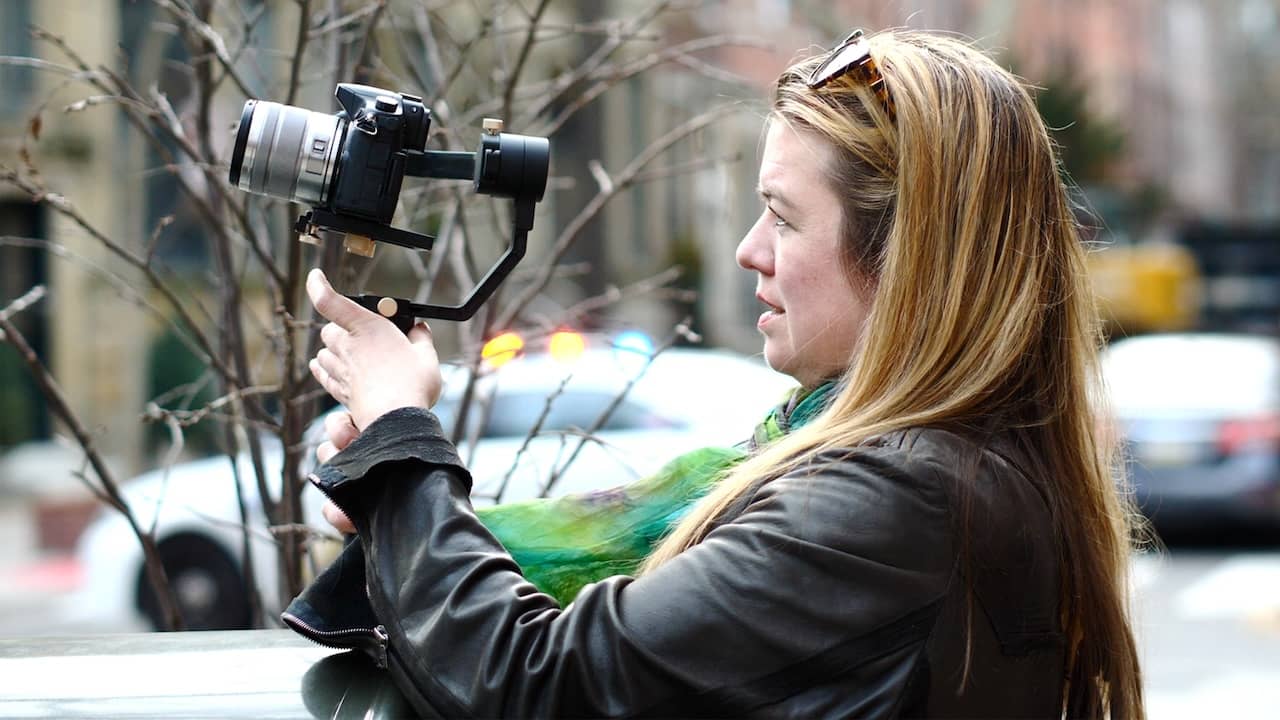
"Dear Lara" director Lara St. John.
Though I had seen a trailer earlier that day, I didn’t know quite what to expect from the documentary. I anticipated some back story of Lara’s childhood and a recounting of the horrible sexual assaults she endured, followed by a series of stories about other victims of sexual abuse.
I was not expecting the degree of personal and artistic immersion that Lara brought to this documentary, nor that her expertise in film-making would be on par with her expertise as a violinist. Not only did Lara direct the film, but she also composed and performed original music for the documentary — riveting music, and beautifully performed by Lara. She also conducted all of the film's interviews, including several victims and administrators of various institutions.
In the end, I was deeply moved by this film, and I was struck by its engaging arc, its beauty, and how effective and compelling the flow was, especially given the difficult subject matter. In short, my overwhelming feeling as the credits rolled was that this was a truly beautiful film about horrifying events.
The film opens, as I had anticipated, with a brief history about Lara’s childhood as a very young student of the violin. This leads up to her enrollment at The Curtis Institute, where she was sexually abused by her teacher, the late Jascha Brodsky, starting when she was age 14. (I had known Mr. Brodsky as my chamber music coach while I was a student at ENCORE.) The account included the Institute's dismissal of Lara’s claims, brushing her aside. We later learn that she was not alone; there were several other Brodsky students whose sexual abuse claims fell on deaf ears by the administration.
Following this opening, Lara conducts a series of interviews with other victims who had contacted her following the 2019 Philadelphia Inquirer story that exposed Lara's abuse. These were compelling, first to witness the catharsis of survivors meeting with other survivors of sexual abuse, but also, it was evident that Lara’s passion about telling other victims’ stories was growing into a larger objective: a deep desire to change the laws that surround this subject. There is no statute of limitations on murder, for example, but there is for rape — just two years.
Much of the film was shot by Lara herself, and much of it is elegantly presented. Naturally, some of the footage is raw, and in some cases computer screens are filmed during Zoom calls, but all of it is relevant and adds to the compelling and very human storytelling elements. There are even brief and subtle comic-relief moments, such as seeing Lara’s pet iguanas appear in the background during various Zoom interviews. I was also impressed with the scope of the film, in terms of the variety of locations both in the U.S. and abroad, as well as the many perspectives that were covered, through interviews with survivors, family members, journalists, critics, and administrators from multiple institutions.
This premiere felt like a significant event, for several reasons. First, it was a part of the renowned Santa Barbara International Film Festival, an 11-day event attracting a long list of celebrity actors, creating a palpable energy in the streets and theater with its "red carpet" flair. It most definitely felt like a significant event in the world of classical music, not only because of the high quality of the film and its director, a world renowned violin soloist, but also due to the feeling that this film might just burst a widely known bubble in the industry of male predator professional musicians and teachers who have been protected by the system for decades. And it was not lost on me that this premiere was happening right in the middle of the release of the Epstein files. It really felt as though a reckoning was upon us.
During the post-premiere celebration reception, which I was kindly invited to attend, I was able to speak with Lara as well as to Katherine Needleman and the award-winning classical music critic Anne Midgette, both who appear prominently in the film.
I told Lara that I had no idea going into the film that she had directed it. When I raved about the beauty of the film and its wonderful arc, she immediately gave all the credit to her film editor, Christie Herring. In fact, she said that if she hadn’t had this editor, Dear Lara’s "arc" would have been "bouncing up and down and everywhere!"
Ultimately, it seemed clear that this had been a long and intense journey for Lara, but we all could see the sense of pride and accomplishment she felt in this film having finally been released and being met with such a wonderful response — a standing ovation — by the audience.
Perhaps the most profound thing Lara revealed was that she was soon going to retire from concertizing to focus entirely on this pursuit — helping survivors, exposing the truth, seeking to help institutions put steps in place to prevent such abuses, and work to change the laws on prosecuting sexual abuse crimes.
While I knew about Lara’s story on a basic level, one of the most heartbreaking elements I learned in the film was that she had been told to keep quiet by Mr. Brodsky in order to protect her brother’s promising career — a fact that he never knew until much later. Lara’s brother, Scott St. John - a lovely person and a wonderful violinist - attended the premiere. He has been incredibly supportive of his sister through all these many challenging years. In the film, he speaks about how he wished he could have done more, wished he knew what was happening at the time. It really added to the tragedy and humanity of this project, to realize how many more people beyond the victims have been impacted by these crimes.
For all the horrific accounts this film exposes, a sense of hope pervaded the film: hope that changes are happening, that more survivors are coming forward, that institutions are implementing new safeguards — and that just maybe this important film, if it is given the wide release it deserves, can have a profound impact on the world and its arts institutions. It certainly had a profound impact on me.
Here is the trailer for "Dear Lara":
You might also like:
- Lara St. John's Documentary To Premiere February at Santa Barbara Film Festival
- Curtis Institute Under Fire after Jascha Brodsky Sexual Abuse Allegations Made Public
- Violinist.com interview with Lara St. John: Apolkalypse Now
* * *
Enjoying Violinist.com? Click here to sign up for our free, bi-weekly email newsletter. And if you've already signed up, please invite your friends! Thank you.
Replies
You must be registered and logged in to submit a comment.